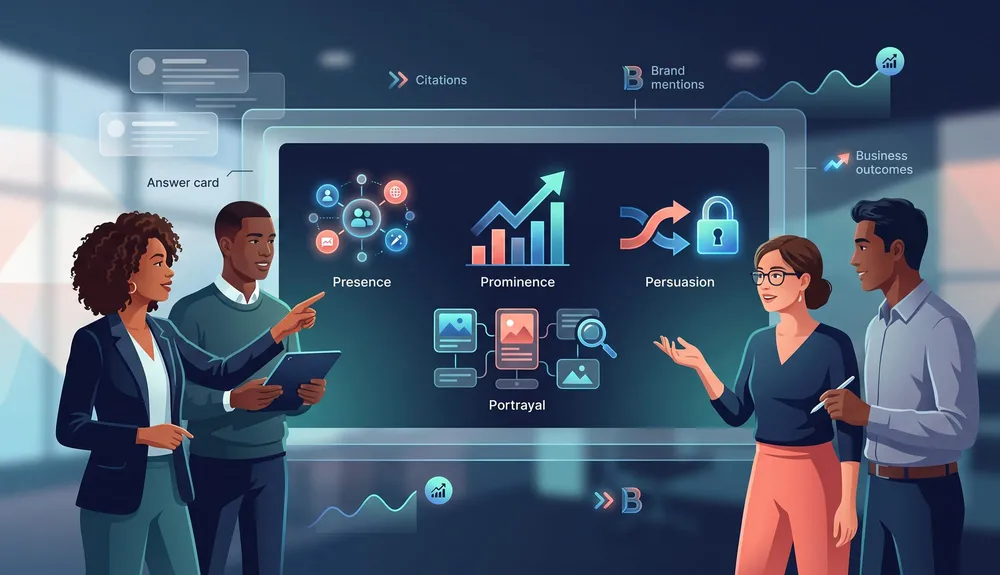
Australian marketing team reviewing AI search visibility metrics across citations mentions and business outcomes

How to Measure AI Search Visibility: A Practical Guide

A practical framework for Australian SMEs to measure AI search visibility, evaluate AEO tools and connect citations and mentions to business results.
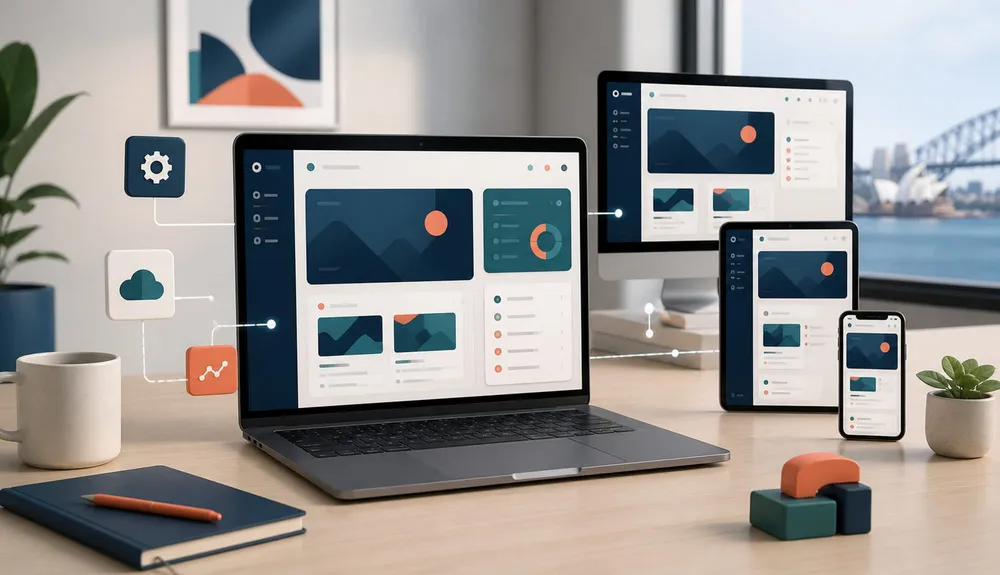
Australian website team reviewing a WordPress 7.1 upgrade plan on a modern CMS dashboard

WordPress 7.1 Upgrade Guide for Australian Businesses

See what changed in WordPress 7.1, which features matter to Australian businesses, and how to test and complete a low-risk website upgrade.
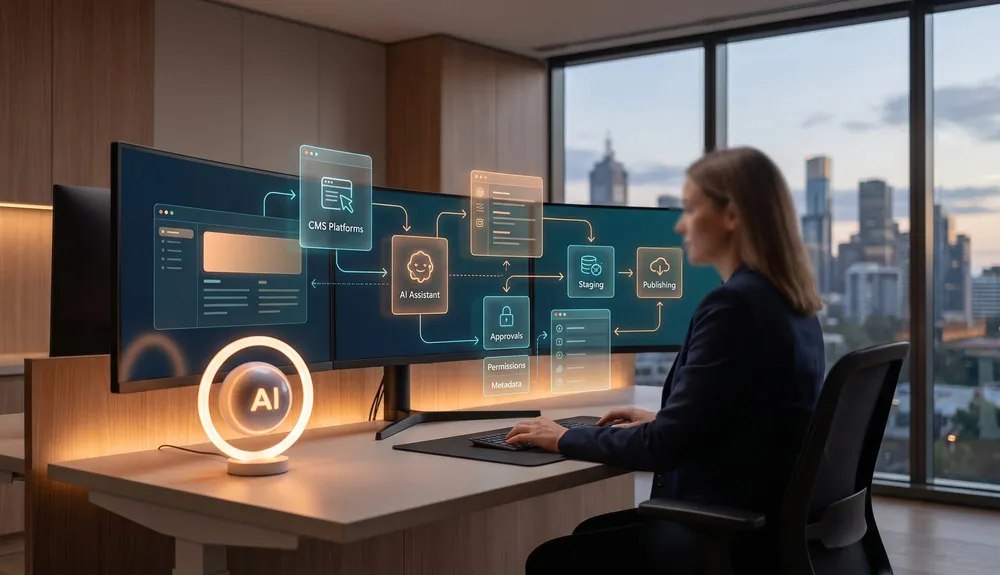
Agent-ready CMS workspace showing AI assistant access to structured content, approvals, permissions, metadata, and publishing workflows

Agent-Ready CMS: How MCP Changes Content Workflows

Learn what an agent-ready CMS means, how MCP changes content workflows, and how SMEs should prepare content models, permissions, APIs, staging, approvals, and audit logs.

Small business SEO dashboard reviewing Google ranking changes, content quality, backlinks, and spam policy checks after the August 2026 update

Google August 2026 Spam Update: Website Checks for SMEs

A practical website audit checklist for small businesses after Google's August 2026 spam update, covering content quality, AI pages, backlinks, technical SEO, and Search Console diagnosis.
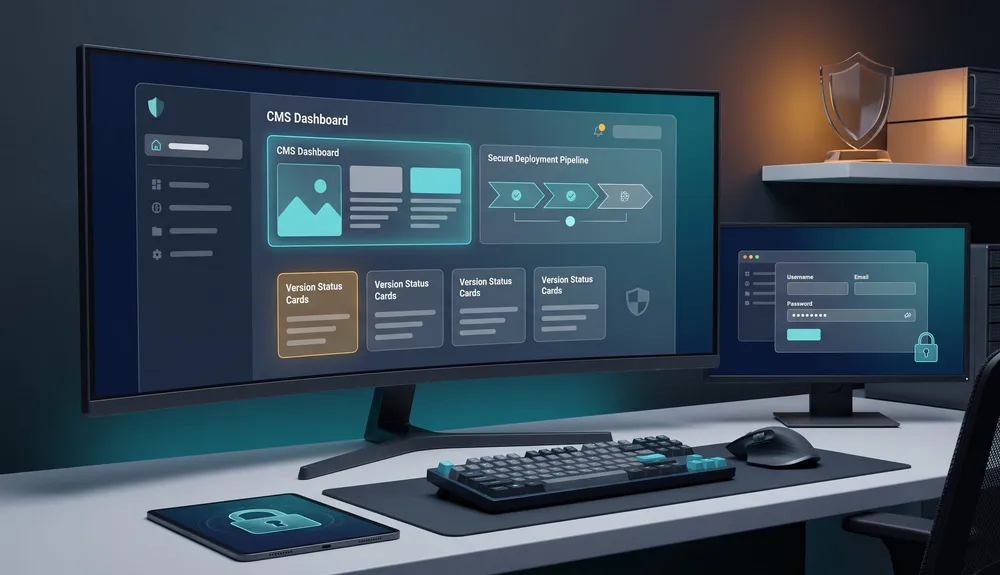
Umbraco website security operations dashboard with patch status and protected content systems

Umbraco August 2026 Security Patches: Action Guide

Check affected Umbraco CMS, Forms and AI versions, understand the August 2026 security risks, and follow a practical patch and upgrade plan.

AI privacy dashboard showing automated decision workflows personal data systems vendors and disclosure review

AI and Privacy in Australia: What Businesses Need to Change Before 10 December 2026

Australian automated decision-making privacy rules start on 10 December 2026. Learn what APP entities should audit across AI, automation, CRM and business systems.

Business website CMS security dashboard showing plugin updates monitoring backups and threat alerts

CMS Security for Australian Businesses: How to Protect WordPress and Business Websites in 2026

Learn why outdated WordPress plugins and CMS platforms are being targeted in 2026, and how Australian businesses can reduce website security risk with continuous maintenance.
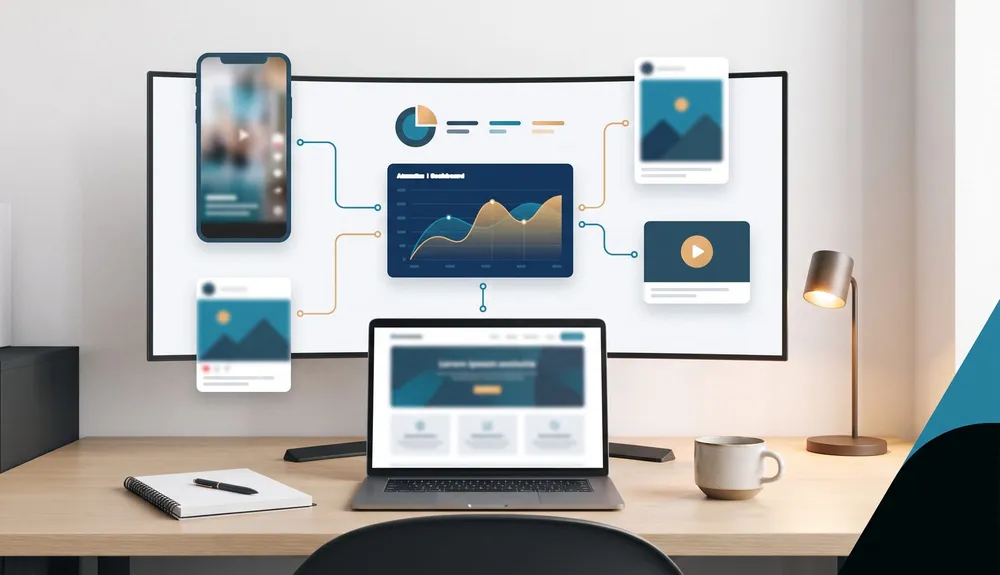
Search Console dashboard connecting website SEO with Instagram TikTok X and YouTube search performance

SEO Beyond Your Website: How Google Now Tracks Instagram, TikTok and YouTube in Search Console

Learn how Google Search Console Platform Properties track Instagram, TikTok, X and YouTube performance in Google Search, and how SMEs can connect social SEO with website content strategy.
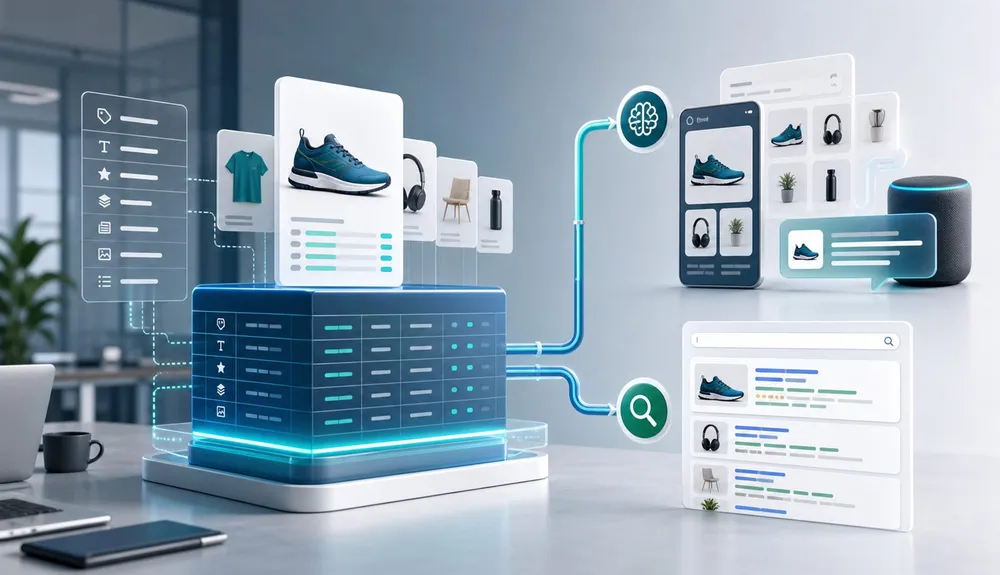
Ecommerce product catalog data flowing into AI search and organic search discovery systems

AI Search for eCommerce: Why Structured Product Data Matters More Than Ever in 2026

AI search is growing quickly, but organic search still sends more ecommerce traffic. Learn why structured product data, schema, feeds, CMS architecture and clean APIs matter in 2026.
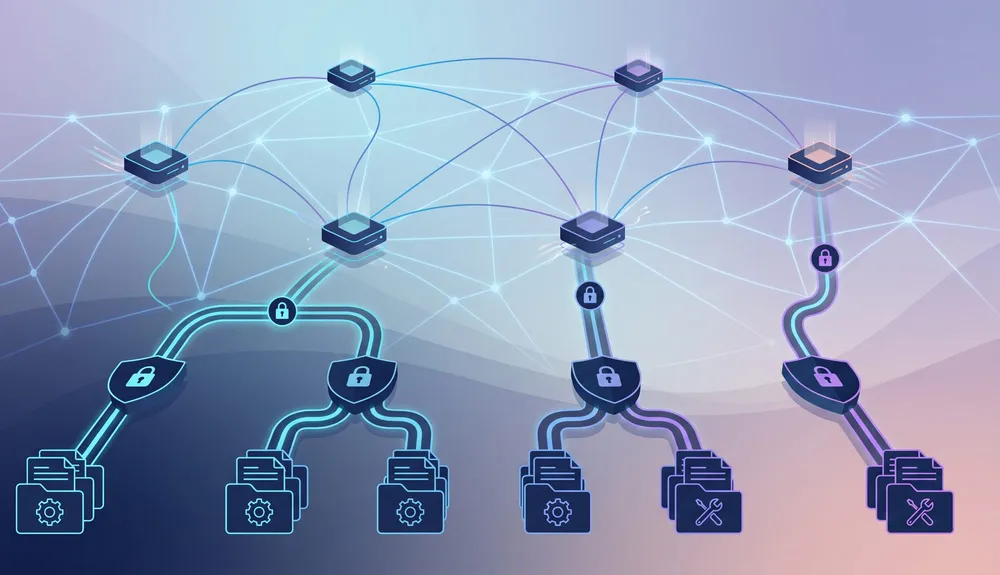

Independent AI agents exchanging tasks while MCP connectors provide access to business data and tools

A2A vs MCP: The New Standards Making AI Agents Work Together

MCP connects AI applications to business systems, while A2A helps independent agents collaborate. This guide explains how they fit together and how to design a flexible, provider-neutral AI architecture.
Australian commerce team preparing product data APIs and checkout systems for AI shopping agents

Agentic Commerce Is Coming: Is Your eCommerce Platform Ready for AI Shoppers?

Learn how to prepare Shopify, commercetools, or Adobe Commerce for AI shopping agents with structured data, APIs, UCP, MCP, and checkout controls.
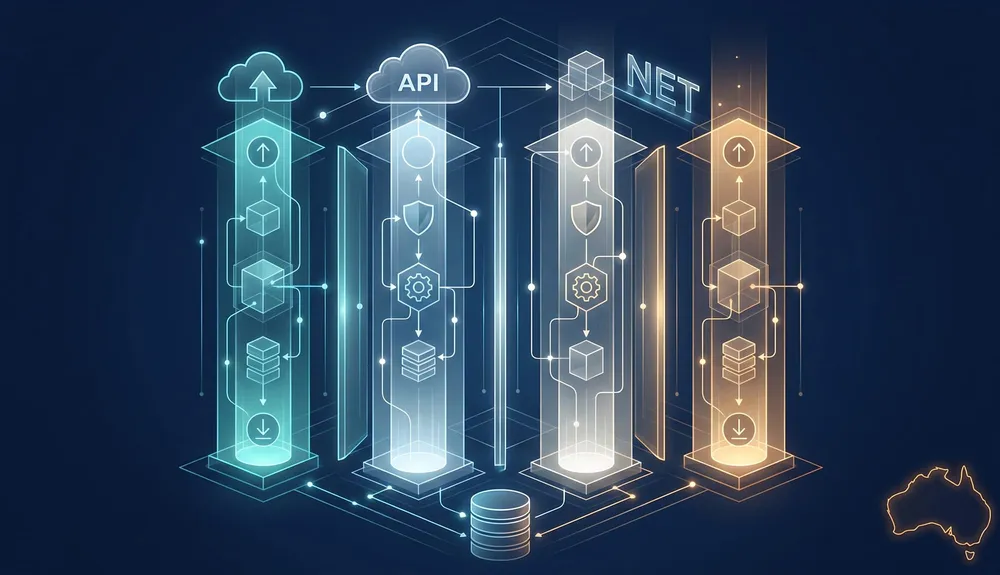
Vertical Slice Architecture in .NET showing feature-based request paths and independent use-case slices

Vertical Slice Architecture in .NET

Learn how Vertical Slice Architecture works in .NET, how to structure feature folders, which libraries to use, how to test slices, and how to avoid duplicated business logic.