
Contentstack Development Services
Build a Contentstack platform that gives marketers more control, gives developers cleaner APIs, and gives your business room to scale.
Contentstack Development Services
Contentstack is built for teams that need structured content, visual editing, workflow control, and delivery across more than one website.
Vanitech helps businesses plan, build, migrate, and support Contentstack-powered websites and digital platforms. We usually pair Contentstack with Next.js, so your content team gets a flexible CMS and your customers get a fast, polished, SEO-friendly frontend.
Contentstack is an API-first, cloud-native headless CMS and composable digital experience platform. It supports flexible content modelling, Visual Builder, Live Preview, Timeline, Modular Blocks, Workflows, Preview Sharing, Taxonomy, Teams, Branches, localization, apps, automation, personalization, AI-assisted content, and front-end delivery through Contentstack Launch.
Those features are only useful when they are shaped around the way your team works. We design the content model, page builder, preview flow, permissions, release process, integrations, and frontend architecture so Contentstack feels practical day to day, not just impressive in a demo.
Why Choose Contentstack?
Contentstack is a strong fit when a business has outgrown a simple page-based CMS and needs a cleaner way to manage content across brands, regions, campaigns, channels, and teams.
It is especially useful when you need:
- Reusable content models instead of duplicated page content
- Visual editing and preview for marketers
- Structured approval workflows and scheduled publishing
- Multi-language and multi-region content operations
- Modular page building with approved content blocks
- Content taxonomy, ownership, roles, and governance
- Content delivery to websites, apps, portals, campaigns, and commerce experiences
- Integration with CRM, commerce, search, analytics, DAM, PIM, and marketing tools
- A modern frontend framework like Next.js instead of rigid CMS templates
Our Contentstack Services
Contentstack Website Development
We build Contentstack websites that balance editor freedom with technical discipline. Editors should be able to move quickly, but the website still needs consistent layouts, clean metadata, reliable performance, and strong accessibility.
We can build:
- Corporate and service websites
- Marketing websites and campaign landing pages
- Blog platforms, resource centres, and knowledge hubs
- Multi-location, multi-brand, and multi-language websites
- Customer portals and product content websites
- Composable commerce experiences
Our goal is to create a Contentstack setup your content team can trust and your developers can keep extending without fighting the CMS.
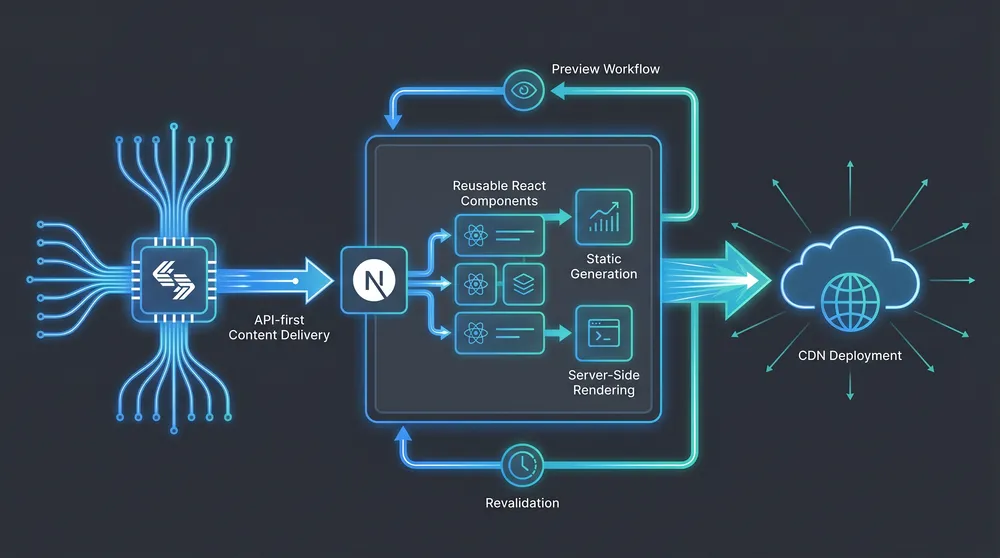
Built with Contentstack and Next.js
Our Contentstack projects are built around a modern Next.js architecture. This means your frontend is fast, flexible, and not limited by traditional CMS templates. With this approach, your website can support strong SEO, better performance, reusable React components, structured page layouts, and flexible content delivery.
Contentstack and Next.js Architecture
A clean separation between content and presentation lets your editors manage content while your frontend stays fast, flexible, and tailored to your brand.
Contentstack gives developers structured APIs, SDKs, webhooks, environments, and preview capabilities. Next.js gives the frontend the performance and rendering flexibility needed for modern websites, including static generation, server-side rendering, incremental regeneration, and API routes where useful.
Our recommended Contentstack architecture includes:
- Contentstack for structured content management
- Next.js for frontend development
- Reusable React components mapped to CMS content types
- API-based content delivery through REST or GraphQL where appropriate
- Live Preview and Visual Builder setup for editors
- SEO-friendly routing, metadata, schema, and sitemap generation
- Static generation, server-side rendering, or incremental regeneration based on page needs
- Webhook-based rebuilds and revalidation
- Image optimisation and CDN-friendly deployment
- Development, staging, and production environments
- Branching strategy for safer model and frontend changes
Contentstack Content Modelling
Contentstack works best when the model is clear, modular, and built around real editorial workflows. We define content types, fields, references, Modular Blocks, validations, naming rules, help text, and SEO fields so editors understand what to do and developers receive predictable data.
Vanitech can design Contentstack content models for pages, service pages, blogs, news, case studies, authors, teams, locations, industries, testimonials, FAQs, navigation, footer content, global settings, SEO metadata, campaign pages, product content, reusable blocks, and multilingual entries.
Contentstack Modular Page Builder
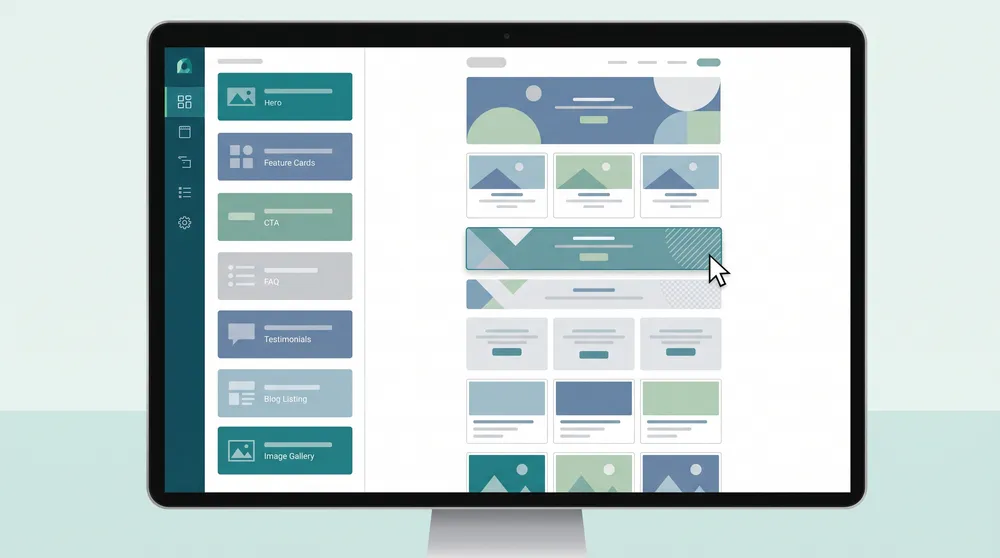
Contentstack Modular Blocks let editors build flexible pages from approved components. We connect those blocks to reusable Next.js components, so teams can create new layouts without breaking the design system.
Example sections include hero banners, intro blocks, text and image sections, service overviews, feature cards, icon tiles, statistics, CTA banners, FAQ accordions, testimonials, case study highlights, blog listings, related content, comparison tables, pricing sections, forms, logo strips, galleries, video sections, and downloadable resources.
Visual Builder, Live Preview, and Timeline
Contentstack has invested heavily in the editor experience. Visual Builder helps marketers edit visually, Live Preview shows changes in context before publishing, and Timeline helps teams understand scheduled content changes over time. We configure these features carefully so editors can review content across pages, devices, locales, campaigns, and future scheduled states.
Migration and Enterprise CMS Setup
Moving to Contentstack is a chance to clean up content, improve structure, protect SEO, and make the new platform easier to manage.
Contentstack Migration Services
A migration should do more than move old content into a new system. We audit the existing website, decide what should be kept, clean up duplication, map old pages to better content types, protect SEO value, and give editors a cleaner starting point.
Vanitech can support migrations from WordPress, Drupal, Umbraco, Sitecore, Kentico, Optimizely, Contentful, Hygraph, custom CMS platforms, and static HTML websites.
Our migration process can include content inventory, page mapping, content model planning, SEO metadata review, URL and redirect planning, media migration, migration scripts, validation, Next.js frontend rebuilds, QA testing, and launch support.
Contentstack Enterprise CMS Setup
Contentstack is often chosen by businesses with complex content operations. We help define the practical setup behind the scenes: stacks, environments, branches, roles, permissions, teams, workflows, locales, taxonomy, preview, integrations, and deployment processes.
Vanitech can help configure Contentstack for multiple teams, regions, brands, languages, staging and production workflows, approval processes, editor roles, content governance, release management, reusable content, campaign publishing, and enterprise integrations.
This matters because larger websites usually fail from operational confusion as much as technical debt. A strong Contentstack implementation gives people clear rules without making the CMS feel restrictive.
Give Your Content Team More Control
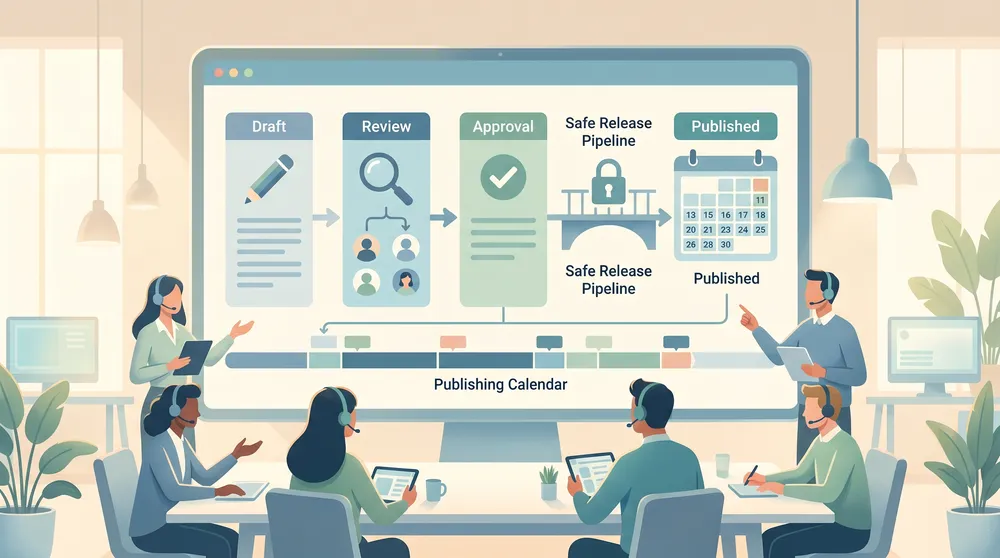
Contentstack is a good fit when your marketing, content, and digital teams need more structure around how content is created, reviewed, approved, and published. Vanitech can help set up practical governance so your team knows what to edit, who can approve it, and how content moves safely from draft to live.
Workflow, Preview, Localisation, and Omnichannel Delivery
Contentstack should help teams publish with confidence, reuse content intelligently, and support regional growth without creating chaos.
Workflow and Publishing Setup
Contentstack Workflows help teams move content from draft to review, approval, scheduling, and publishing. We configure workflows around the way your business actually approves content, including ownership, roles, SEO review, campaign checks, translation review, and launch sign-off.
We can help define draft and review processes, approval stages, scheduled publishing, publishing rules, naming conventions, component usage rules, launch checklists, and campaign publishing processes.
Preview Sharing and Editorial Review
Contentstack Preview Sharing makes it easier to share in-progress content with stakeholders who do not need full CMS access. Combined with Live Preview, Visual Builder, staging environments, and clear review rules, this gives editors and approvers a more confident way to review work before it goes live.
Multi-Language and Localisation Services
Contentstack supports multilingual management, version control, and region-specific publishing workflows. We help plan how content should be shared globally, adapted regionally, translated, reviewed, routed, and indexed by search engines.
Vanitech can implement locale planning, fallback strategy, localized page routing, region-specific content, shared global content, translation workflow support, localized SEO metadata, hreflang, localized sitemaps, multi-language navigation, and regional campaign pages.
Omnichannel Content Delivery
With the right model, Contentstack content can be reused across websites, mobile apps, customer portals, digital kiosks, campaign pages, email platforms, product pages, support centres, internal tools, and partner portals.
This is the practical promise of headless architecture: create structured content once, then deliver it through APIs wherever your customers, partners, or teams need it.

SEO, Schema, Integrations, and Commerce
The CMS gives you structure, but the result depends on how the website, metadata, content models, and integrations are implemented.
Contentstack SEO Implementation
A headless CMS still needs deliberate SEO work. We design the content model and Next.js frontend so search engines receive clean URLs, useful metadata, structured content, fast pages, and predictable schema.
Vanitech can implement SEO title fields, meta descriptions, Open Graph data, social images, canonical URLs, robots controls, slugs, redirects, sitemaps, robots.txt, breadcrumbs, internal linking support, image alt text, structured data, article schema, service page schema, and Core Web Vitals optimisation.
Structured Data and Schema
Schema can be generated from Contentstack fields, controlled through reusable SEO models, or added automatically based on page type. We can support Organization, LocalBusiness, WebSite, WebPage, Service, Article, BlogPosting, BreadcrumbList, FAQPage, Product, Review, Person, Event, and CollectionPage markup.
Integrations, Automations, and Marketplace Apps
Contentstack works best when it sits inside a wider composable stack. We can integrate Contentstack with eCommerce platforms, CRM, ERP, PIM, DAM, search, marketing automation, analytics, forms, authentication, payments, newsletter platforms, internal APIs, and custom business systems.
We can also support Contentstack Marketplace apps, custom extensions, webhooks, serverless functions, middleware, Next.js API routes, and no-code or low-code automation patterns using Contentstack Automate where it fits the project.
Personalization, AI, and Brand Kit
Contentstack now offers more around adaptive experiences, personalization, experimentation, AI Assistant, and Brand Kit. We can help you use those capabilities carefully, especially where teams need on-brand content variants, audience-specific experiences, A/B/n testing, data-driven journeys, or integrations with analytics and customer data sources.
Composable Commerce Content
For commerce projects, Contentstack can manage marketing and editorial content while your commerce platform handles products, pricing, inventory, cart, and checkout. We can build product landing pages, category content, campaign pages, buying guides, brand pages, promotional banners, SEO product content, comparison content, and commerce integrations.
We can connect Contentstack with platforms such as Shopify, BigCommerce, commercetools, or custom commerce APIs.

Move Faster Without Breaking the Website
Contentstack can help marketing teams launch campaign pages, promotional content, and commerce-focused content without waiting for every change to become a development task. With reusable components and a Next.js frontend, your team can move faster while keeping the website consistent and fast.
Content Platforms That Keep Improving
Contentstack is most valuable when the content model, frontend components, performance, accessibility, and support model all work together.
Blog, Resource Centre, and Knowledge Hub Development
Vanitech can build complete blogs, article hubs, knowledge bases, case study libraries, and resource centres using Contentstack and Next.js. Features can include categories, tags, authors, featured articles, related content, search and filtering, reading time, table of contents, newsletter CTAs, article schema, social sharing metadata, previews, workflows, SEO fields, scheduling, downloads, and case study templates.
Design System Implementation
A scalable Contentstack website needs a clear relationship between content models and frontend components. We can create reusable Next.js components, CMS-to-component mapping, design system alignment, component documentation, content usage rules, responsive layouts, accessible components, consistent CTA patterns, media handling rules, and Storybook documentation where required.
Performance Optimisation
A well-built Contentstack and Next.js website can be fast, stable, and scalable. We can help with rendering strategy, caching, incremental regeneration, webhook-based revalidation, API query optimisation, image optimisation, lazy loading, CDN strategy, JavaScript bundle optimisation, Core Web Vitals improvement, monitoring, diagnostics, and build performance review.
Accessibility Implementation
Accessibility should be considered in the content model, component design, and frontend implementation. We can support semantic HTML, keyboard-friendly components, accessible menus, correct heading structure, alt text management, form accessibility, colour contrast review, ARIA usage where needed, responsive testing, and WCAG-aligned development practices.
Support and Maintenance
Vanitech can support your Contentstack platform after launch. Support may include bug fixing, content model updates, new components, SEO improvements, performance optimisation, accessibility improvements, integration updates, Next.js upgrades, dependency updates, deployment support, editor support, documentation, and ongoing technical advice.
Our Contentstack Delivery Process
A practical process for building a Contentstack platform your editors, developers, and customers can rely on.
1. Discovery and Planning
We review your current website, content problems, business goals, team structure, SEO requirements, integrations, and launch constraints.
2. Content Architecture
We design content types, Modular Blocks, references, metadata, navigation, media structures, taxonomy, and rules for future growth.
3. Frontend Architecture
We define the Next.js architecture, rendering strategy, routing, preview setup, caching, deployment, and revalidation approach.
4. UX and Component Mapping
We map website sections to reusable frontend components so editors can build pages from approved blocks.
5. Contentstack Configuration
We configure content types, fields, validations, roles, teams, environments, branches, locales, media, workflows, Visual Builder, and Live Preview.
6. Next.js Development
We build the frontend using Next.js, React components, responsive design, SEO handling, accessibility practices, and performance-focused development.
7. Integration and Automation
We connect Contentstack to the website and any required systems such as search, CRM, commerce, analytics, forms, DAM, PIM, or internal APIs.
8. SEO and Schema Setup
We implement metadata, sitemaps, redirects, canonical URLs, structured data, and SEO-friendly page structures.
9. Testing and Launch
We test content editing, preview, frontend behaviour, responsiveness, accessibility, SEO, performance, integrations, and deployment.
10. Support and Continuous Improvement
After launch, we can continue improving your website with new features, better content workflows, performance improvements, and SEO enhancements.
Why Work with Vanitech?
Contentstack gives you a strong platform, but the success of the project depends on the implementation. Vanitech brings together headless CMS experience, Next.js development, SEO-focused implementation, structured content modelling, API integration, accessibility awareness, performance optimisation, practical business thinking, and long-term support.
We help you create a Contentstack solution that is technically clean, comfortable for editors, and valuable for the business beyond the first launch.
Build Your Contentstack Platform with Vanitech
If you are planning a new Contentstack build, moving away from another CMS, or trying to make an existing setup easier for marketers and developers, Vanitech can help you design the right platform and delivery process.
Contact Vanitech today or email us at info@vanitech.com.au to discuss your Contentstack project.

Make an appointment for a consultation